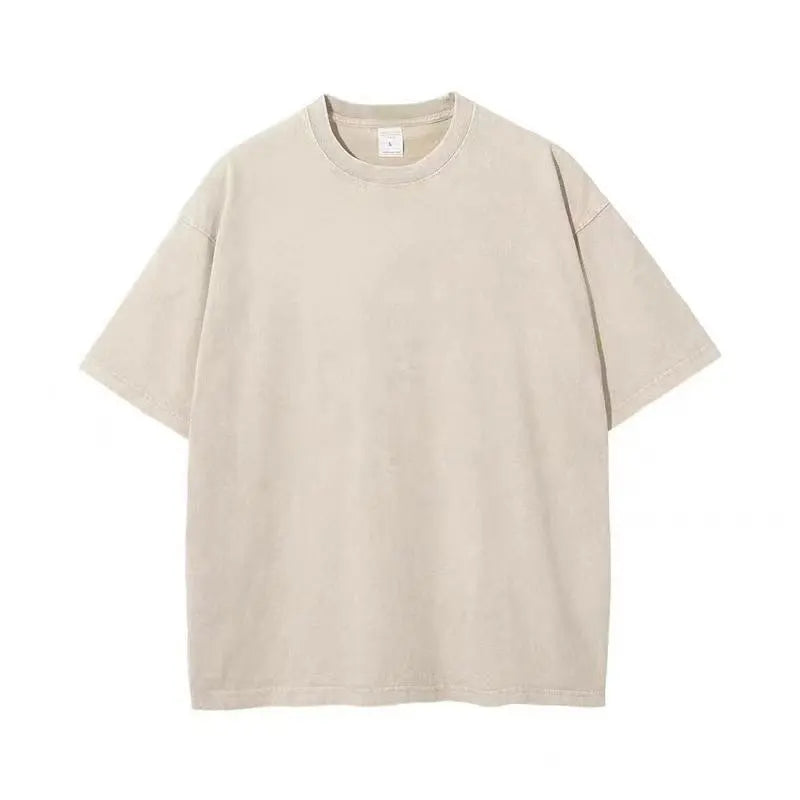
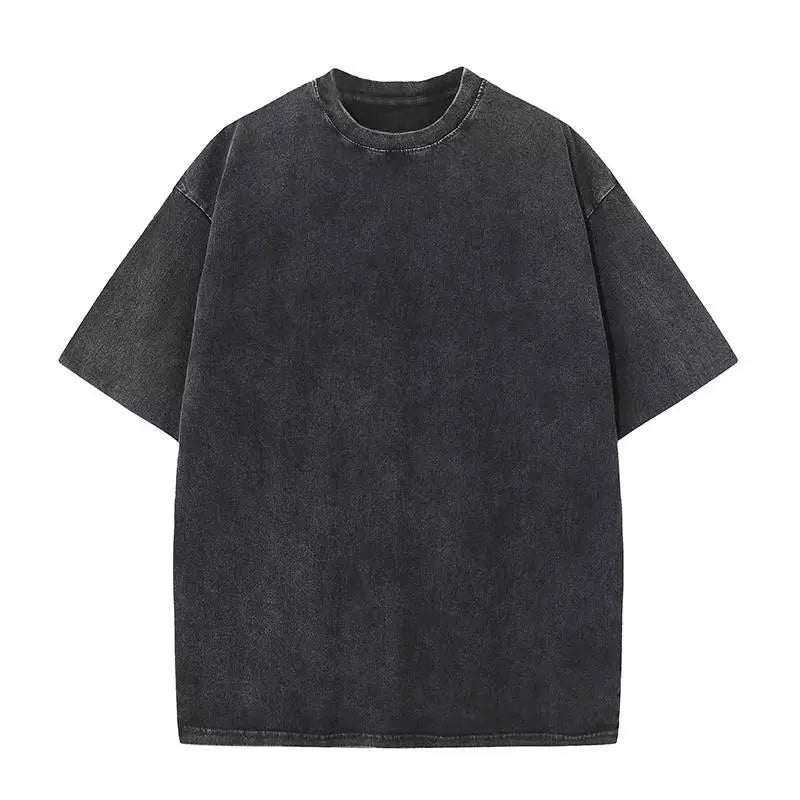
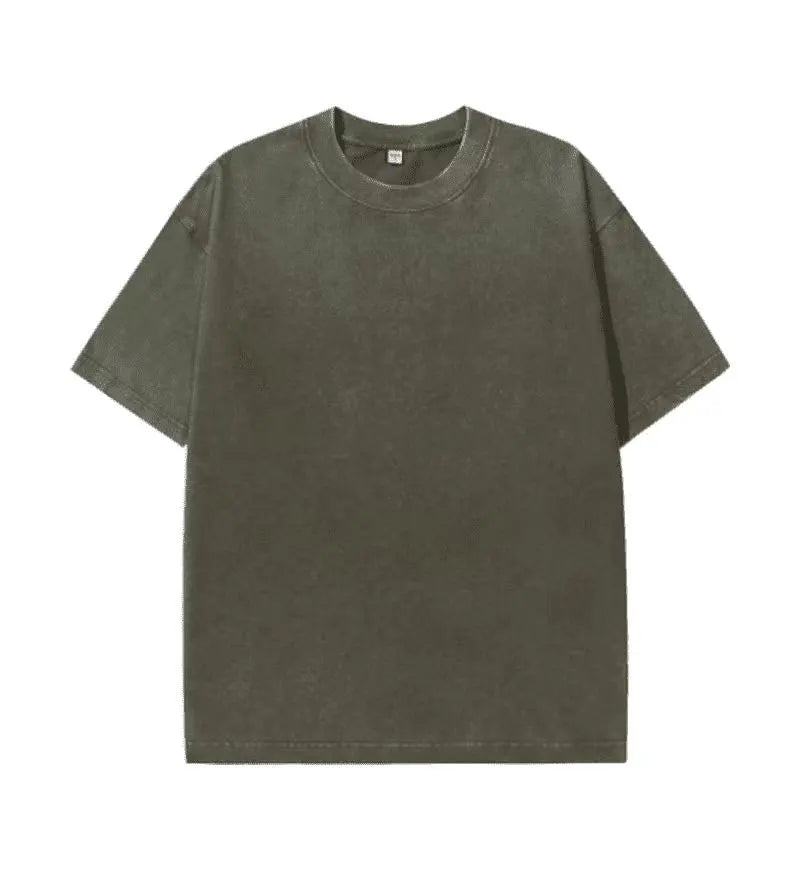
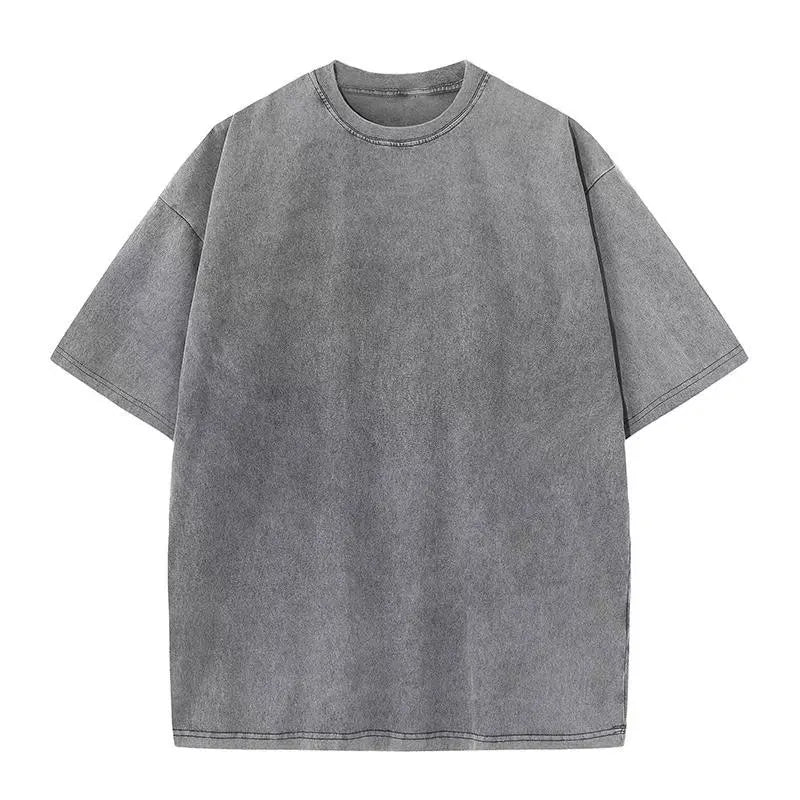
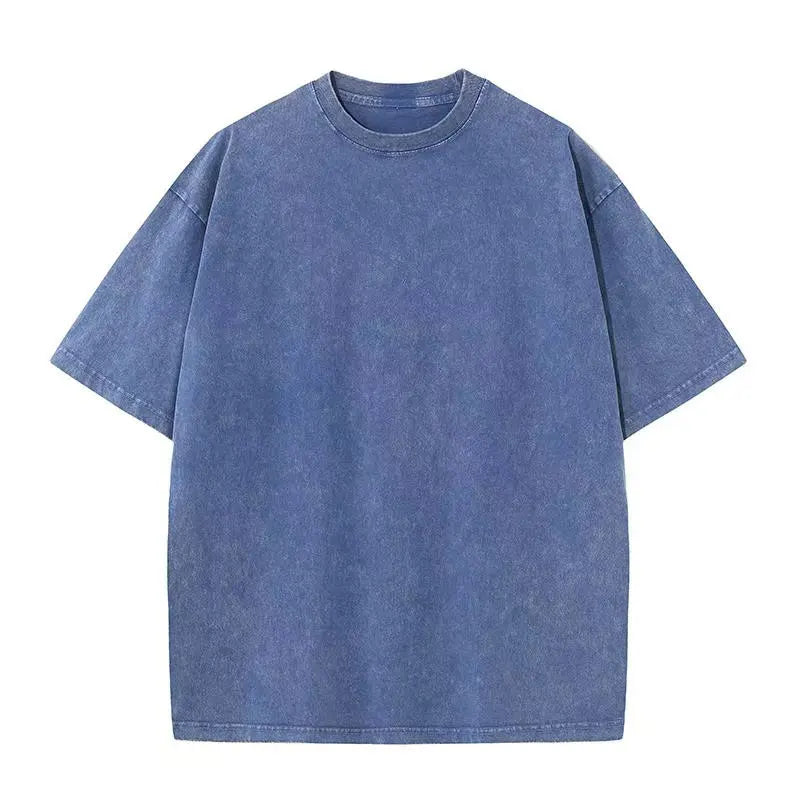
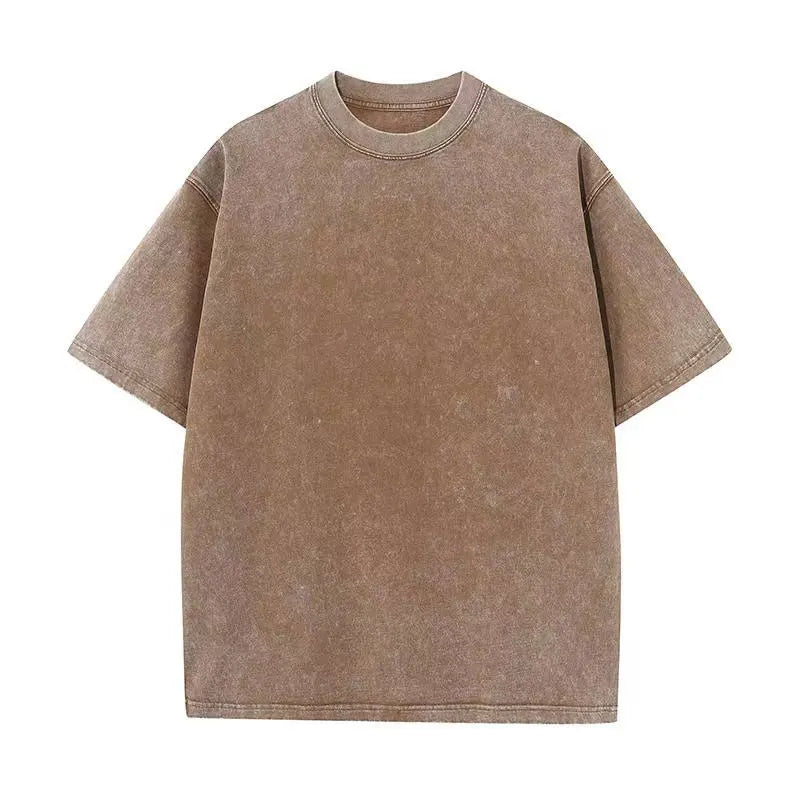
100% Cotton · 230GSM · Ten Colors
100% Cotton.
100% Cotton.
Nothing Else.
One heavyweight tee, garment-washed for a broken-in feel from day one. No polyester, no blends, no chemical coatings. $24.99.
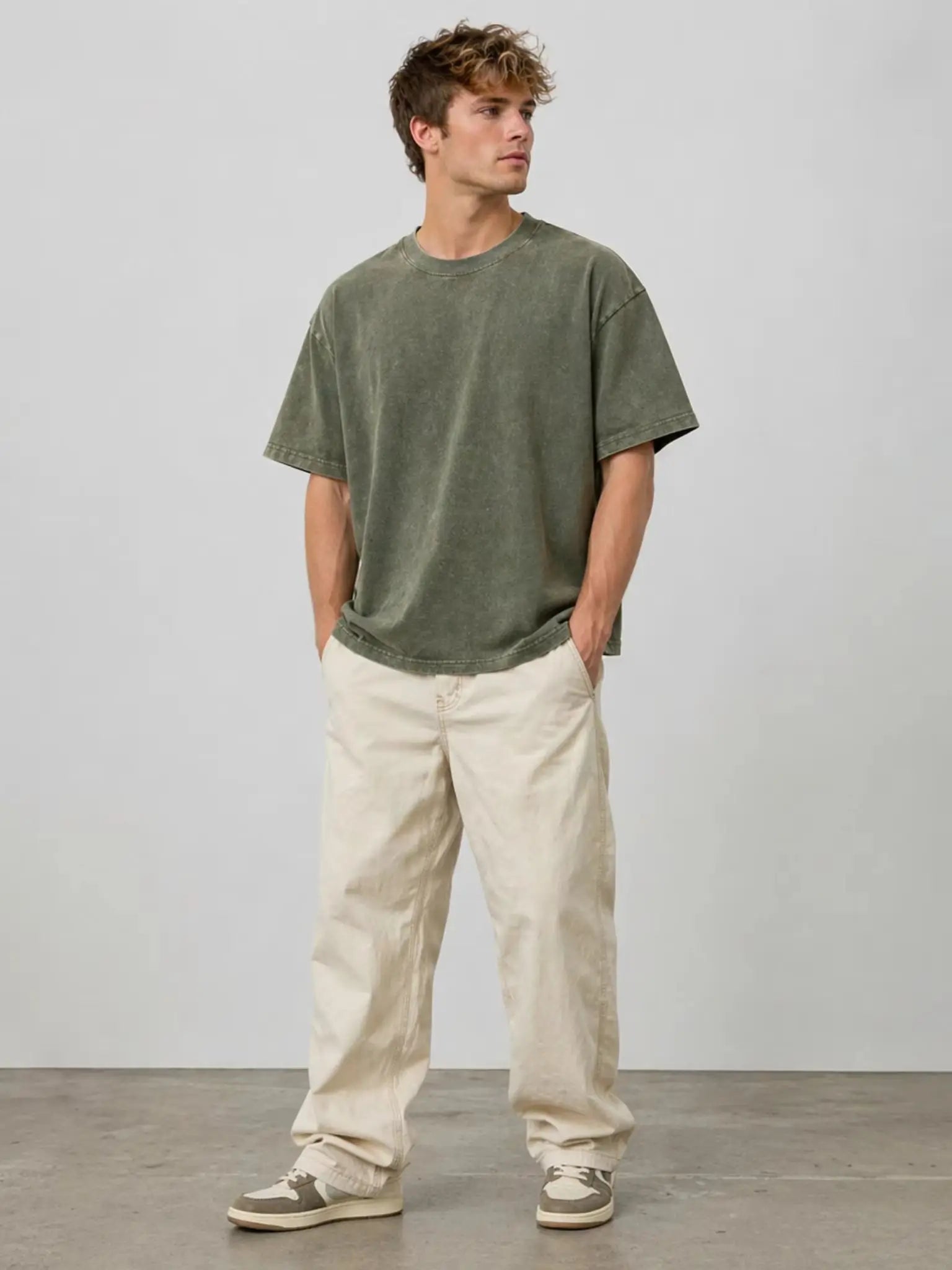
One heavyweight tee, garment-washed for a broken-in feel from day one. No polyester, no blends, no chemical coatings. $24.99.
Cotton isn't nostalgia. It's a 7,000-year-old performance fabric that outperforms plastic on the metrics that matter.
A single polyester garment sheds this many fibers into rivers and oceans. Cotton sheds zero.
Cotton returns to soil in weeks. Every polyester shirt ever made still exists somewhere.
Cotton fibers let air flow and wick moisture. Polyester traps heat and sweat.
Quality cotton softens with every wash. Polyester pills, stretches, and holds odors.
Polyester is a petroleum-based synthetic — chemically the same family as the plastic in water bottles. About 60% of all clothing produced today is made from it, because it's roughly 30% cheaper to produce than cotton. The savings go to the manufacturer. The costs — microplastic pollution, chemical treatments, faster replacement — go to everyone else.
"Cotton blend" can mean 60% plastic. "Wrinkle-free" usually means treated with formaldehyde resin. "Easy care" often means coated in chemicals. "Performance fabric" is marketing for plastic. The fashion industry spent 50 years teaching us euphemisms — the tag is the only place the law forces them to tell the truth.
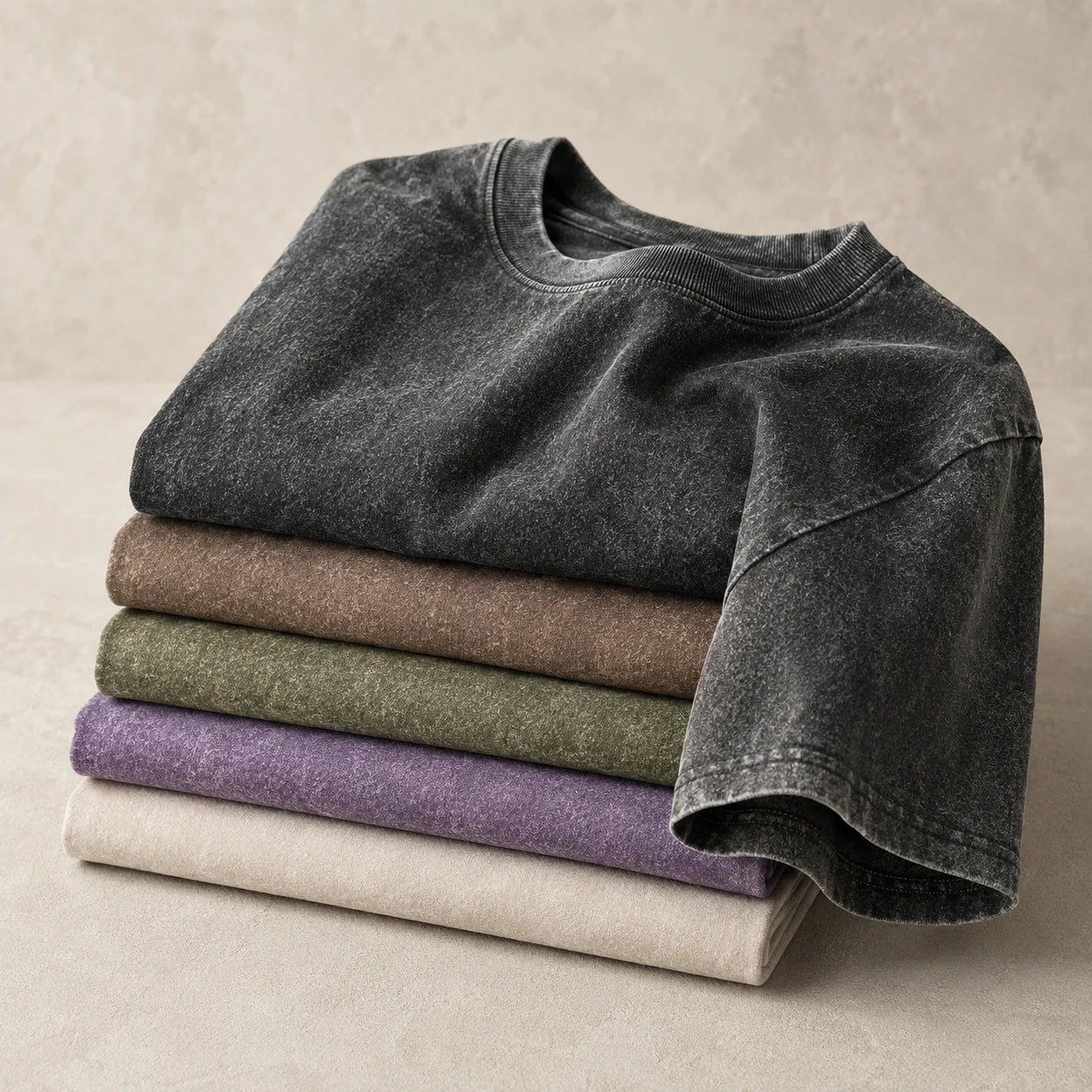
230GSM heavyweight 100% cotton, pre-shrunk and garment-washed. Relaxed, true-to-size fit. Sizes S–2XL. $24.99 ($26.99 for 2XL).
| 100% Cotton | Polyester | |
|---|---|---|
| What it is | A plant fiber, grown in soil | Petroleum-based plastic |
| Microplastics per wash | Zero | ~700,000 fibers |
| Decomposition | Weeks to months | 200+ years |
| Breathability | Excellent — regulates temperature | Traps heat and sweat |
| Odor after washing | Neutral | Retains 10x more bacteria |
| Lifespan | 3–5+ years, softens with age | 1–2 years before pilling and holes |
| Skin health | Hypoallergenic | Linked to irritation and rashes |
History, growing, processing, label literacy, washing tips — the full deep dive on the fiber that clothed humanity for 7,000 years.
Read the Full Guide